

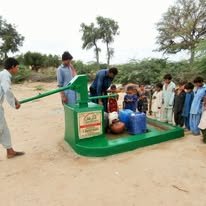
Water pumps play a critical role in transforming communities where access to safe and reliable water is limited or nonexistent. In many rural and remote areas, groundwater lies deep beneath the surface, often inaccessible without proper pumping systems. By enabling the extraction of clean water, these pumps turn dry, barren land into habitable, thriving communities. They eliminate the daily struggle of walking long distances for water, reduce reliance on unsafe surface sources, and significantly enhance the quality of life for families.
Reliable water pumps directly contribute to better health and hygiene. With a consistent water supply, communities can maintain clean drinking water, cook safely, and follow proper sanitation practices. This reduces the prevalence of waterborne illnesses such as cholera, dysentery, and typhoid. Children grow stronger, medical emergencies decrease, and families experience fewer disruptions to daily life. Access to water also improves menstrual hygiene management for women and girls, enhancing dignity and well-being across the household.
Women and children often bear the responsibility of fetching water, sometimes traveling several kilometers daily. Installing water pumps near homes or community centers drastically reduces this burden. Children gain more time to attend school and focus on their studies, while women can participate in skill-building, income-generating activities, and community initiatives. This empowerment strengthens families, elevates social status, and contributes to the overall development and economic resilience of the community.
Our water pump projects prioritize sustainability and long-term impact. Hand pumps, solar-powered systems, and other durable technologies are selected based on local needs and environmental conditions. Communities are trained in basic maintenance and management, ensuring the pumps remain functional for years. These water sources support agriculture, livestock care, and small-scale farming, promoting food security and economic self-reliance. Each pump becomes a long-term investment in health, education, and community stability rather than a temporary solution.
Even where water is accessible, it is often contaminated with bacteria, viruses, or harmful chemicals. Water filters provide an effective solution at both household and community levels. They guarantee that families have access to safe drinking water, reducing the risk of illness and supporting overall health. Filtered water protects children, the elderly, and vulnerable populations from diseases such as diarrhea, cholera, and other waterborne infections, fostering stronger and more productive communities.
Water pumps and filters also serve as vital tools during emergencies, such as floods, conflicts, or infrastructure failures. Portable water filtration units provide immediate access to clean water, ensuring survival in disaster-hit areas. Additionally, the use of filters reduces dependence on boiling or bottled water, conserving fuel, minimizing plastic waste, and protecting the environment. Awareness sessions on proper usage and hygiene practices ensure that the benefits are sustained over time.
Access to clean water through pumps and filters restores dignity, security, and peace of mind. Families no longer live in fear of illness or water scarcity. Each installation symbolizes care, compassion, and the right to a healthy life. By supporting water pump projects, we provide not just water but a foundation for education, empowerment, and sustainable development—turning a basic necessity into a tool for hope, resilience, and lasting transformation.